
Androctonus crassicauda
Venom reported to suppress MCF-7 breast cancer cell growth and induce necrosis at higher doses.
OncologyMCF-7

ScorpIranUSA supports pharmaceutical companies, biotechnology firms, universities and research laboratories with ethically produced, research-grade scorpion venom, advanced laboratory practices and scientific collaboration.
Our controlled breeding environment is scaled to supply qualified laboratories with consistent, research-grade material — year after year.
Scorpion venom is a natural treasury of peptides, proteins, and bioactive molecules acting on the nervous and immune systems. Once seen only as a toxin, modern research reveals remarkable therapeutic promise — from targeting cancer cells and blocking tumor growth to novel strategies against antibiotic-resistant bacteria.
Selected findings from our research-relevant species, presented as scientific context for laboratory programmes.
Venom reported to suppress MCF-7 breast cancer cell growth and induce necrosis at higher doses.
Peptides such as Hemicalcin (calcium channels) and Hemilipin (anti-angiogenesis), plus PLD1 with dermonecrotic activity.
The peptide OD1 modulates Nav1.7 sodium channels, relevant to pain and oncology research.
Antimicrobial peptides (MeVAMP family) and chlorotoxin-like peptides with potential in brain-tumor targeting.
Every element of our operation — from breeding room conditions to batch documentation — exists to give research teams material they can rely on and records they can review.
Our colonies are maintained in environmentally controlled breeding rooms where temperature, humidity, photoperiod and nutrition are monitored continuously. Responsible animal care is treated as a scientific requirement: stable, low-stress conditions support healthy colonies and the consistent biological material that research programmes depend upon.
Collection, preparation and handling follow written, standardised procedures performed by trained technical personnel. Work is organised into defined zones, instruments are maintained on schedule, and each stage is recorded so that laboratory activity remains reviewable and repeatable over time.
Materials are prepared exclusively for laboratory research use, with careful handling, controlled drying and storage, and batch-level documentation. Our focus is consistency between batches and full traceability from collection through to dispatch rather than unverifiable purity claims.
We work with universities, pharmaceutical companies, biotechnology firms, contract research organisations and government laboratories. Our team supports multi-site studies with clear technical communication, responsive scheduling and documentation appropriate to institutional review requirements.
ScorpIranUSA brings together multidisciplinary knowledge across biotechnology, venom science, analytical chemistry, arachnid husbandry and laboratory operations, allowing us to discuss study requirements in the language of the researchers we serve.
We are committed to supporting qualified research and commercial organisations wherever it is legally permitted, with careful packaging, cold-chain-appropriate preparation and transparent lead-time communication for domestic and international consignments.
Each area of the business is documented in detail — our history and values, our physical infrastructure, the science we support, and the systems that keep it consistent.

A biotechnology company built around responsible breeding, modern laboratory operations and rigorous quality management — established to serve the international research community.
Explore about scorpiranusa
Controlled breeding areas, laboratory operations, a dedicated quality control laboratory, secure cold storage, and packaging and logistics prepared for qualified shipments.
Explore our facilities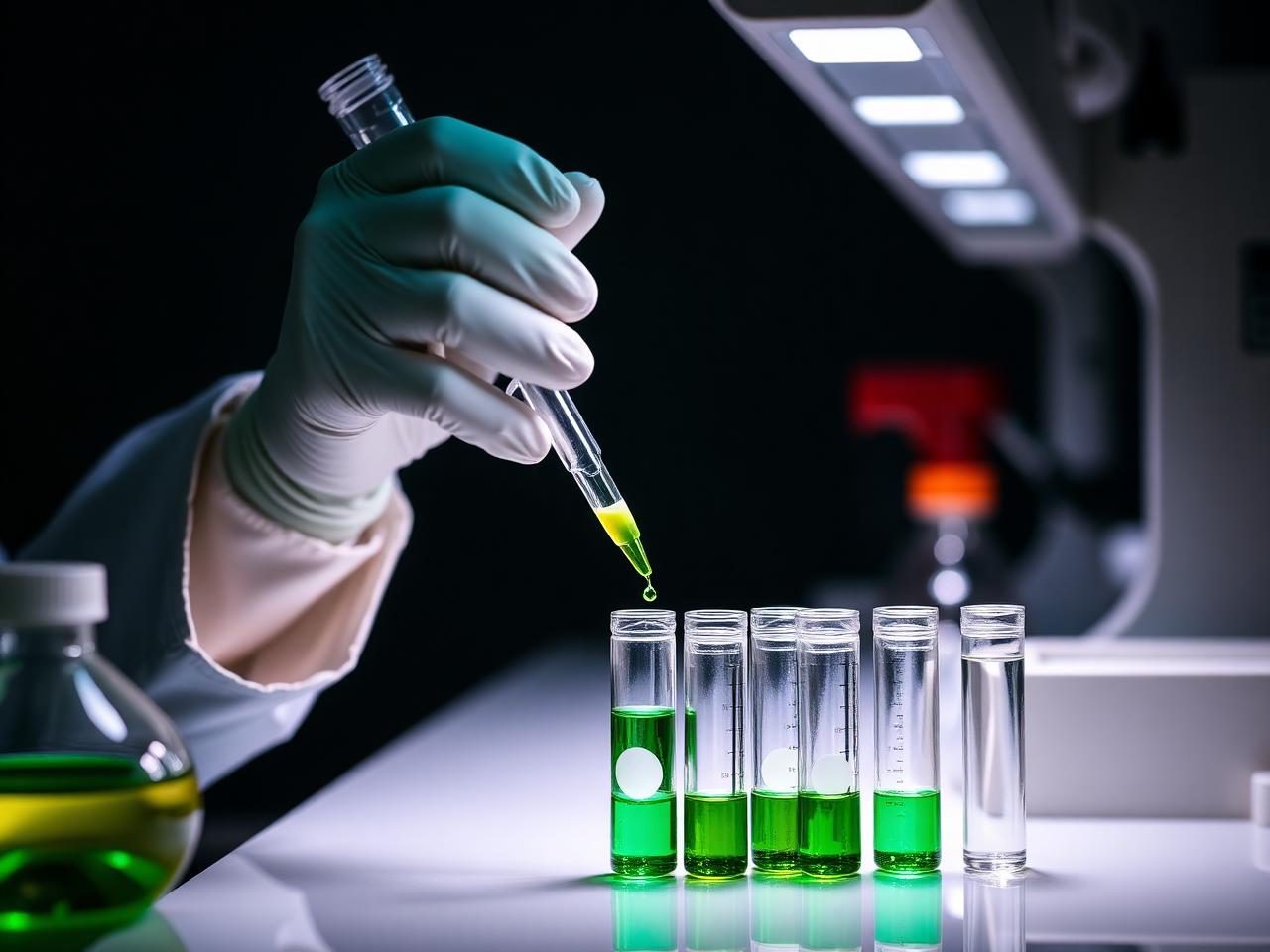
Venom-derived molecules are studied across drug discovery, ion channel biology, neuroscience, molecular biology and antimicrobial peptide research programmes worldwide.
Explore research applications
Structured species profiles covering distribution, habitat, general venom characteristics and research relevance, expanded as verified documentation becomes available.
Explore scorpion speciesQuality is designed into every stage: controlled collection, batch identification, laboratory documentation, traceability, storage discipline and continuous improvement.
Explore quality control
Long-term scientific relationships with institutions across Europe, Asia, the Americas and the Middle East, built on responsiveness and technical transparency.
Explore global collaborationScorpion venom is a complex mixture of peptides and proteins that has become a valuable source of molecular tools for modern laboratories. The areas below describe research contexts only.
Venom peptides are widely investigated as molecular starting points and research tools in early-stage pharmaceutical discovery programmes.
Selected venom components are studied for their interaction with voltage- and ligand-gated ion channels in physiology research.
Laboratory studies use venom-derived molecules to explore nerve signalling, receptor behaviour and cellular mechanisms.
Research groups apply venom fractions in biochemical assays, binding studies and structural investigation workflows.
Naturally occurring peptides are examined for antimicrobial activity within controlled laboratory screening programmes.
Universities, institutes and industrial laboratories use research materials across basic and applied biomedical investigation.
Important scientific note: These are research applications only. ScorpIranUSA materials are supplied strictly for laboratory investigation by qualified organisations and are not products that diagnose, treat, cure or prevent any disease. No therapeutic claim is made or implied.
Long-term research relationships are built on predictability. These are the commitments that shape how we work with every institution and commercial partner.
Written procedures govern collection, preparation, storage and dispatch, with defined responsibilities at each step.
Each batch carries an identification record linking it to collection conditions, handling history and storage parameters.
A single scientific point of contact coordinates technical questions, scheduling and follow-up throughout a project.
We discuss study requirements openly, including limitations, so material selection matches the experimental design.
Our processes are structured to work alongside institutional procurement, compliance and import requirements.
Storage conditions, packaging materials and dispatch timing are selected for the material and destination, with clear guidance provided to the receiving laboratory.
Dedicated research on scorpion venom and scorpion oil — spanning peptide discovery and ion-channel pharmacology to anti-cancer, antimicrobial, and anti-angiogenesis studies that power new therapies.
Each programme combines species-specific venom fractions with purpose-built analytical workflows to generate reproducible, research-grade data.
Venom-derived peptides (e.g., Na+ channel modulators including OD1-like; α-KTx Kv blockers such as ODK1/ODK2; CRISP family; enzymatic components like hyaluronidase fragments) are being evaluated for anti-tumor mechanisms (apoptosis, invasion/migration, S-phase arrest, anti-angiogenesis) with orthogonal analytics (LC-MS(/MS), HPLC-PDA, Tricine SDS-PAGE, Raman).
Sodium (Nav) and potassium (Kv) channel modulators for neuropathic pain and neuropharmacology, with emphasis on low-molecular-weight neurotoxin-range peptides (≈3–13 kDa) evidenced by MALDI/LC-MS and Tricine SDS-PAGE, and fractionated by HPLC-PDA. Current work focuses on selectivity profiling and practical delivery strategies.
Discovery and optimization of short, cationic peptide candidates (<10 kDa) enriched in our venom fractions (shown by Tricine SDS-PAGE and MALDI/LC-MS) against priority pathogens. Fractions are generated by HPLC-PDA and tracked with run metadata; activity is benchmarked with MIC and time-kill workflows, with biofilm assays where applicable.
Screening of low–molecular-weight venom peptide fractions (<10 kDa; OD1-like Na+-channel toxins and α-KTx Kv blockers) for anti-angiogenic effects in endothelial assays. Fractions are isolated by HPLC-PDA and tracked by Raman and LC-MS(/MS); pathway mapping and combination strategies are under evaluation.
Preclinical evaluation and pharmacological profiling of scorpion oil for potential research applications. Current standardized material: GAZHDIN (50% olive oil [CAS 8001-25-0] + 50% scorpion oil), characterized as light-yellow, odorless, non-flammable (flash point 200 °C), vapor pressure <0.5 Pa @ 20 °C; store tightly closed below 24 °C; not classified as dangerous for air/land/sea transport (per MSDS). Compositional screens emphasize fatty acids/esters/sterols (e.g., oleic acid, ethyl oleate, ethyl palmitate, cholesterol) by GC-MS.
Kv-targeting venom peptides are explored for T-cell modulation and autoimmune research. Emphasis on α-KTx short-chain blockers (<10 kDa) with activity on Kv1.3 (e.g., ODK2) and Kv1.2 (ODK1). Fractions are resolved by HPLC-PDA and characterized by MALDI/LC-MS; functional assays include patch-clamp, Ca2+ flux, and cytokine readouts.
These molecules are studied in controlled laboratory settings as part of preclinical research programmes. ScorpIranUSA supplies research-grade material only and does not make diagnostic, therapeutic or clinical claims.
We supply venom- and oil-based materials for R&D, delivered with certified analyses to ensure quality and reproducibility for pharmaceutical and biotech applications.
Research-grade material for oncology, neurology, and antimicrobial studies.
Characterized for potential therapeutic investigations.
OD1, Hemicalcin, MeVAMP, ClTx-like candidates for targeting and delivery studies.
LC-MS, Raman, SDS-PAGE, Kjeldahl, LD50, Bradford (BCA on request).
Certified courses in scorpion breeding and husbandry.
Our scientific team can discuss your programme requirements, documentation needs, and legal shipment pathways.
Share your research objectives with our scientific team and we will outline how our capabilities, documentation and supply practices can support your programme.