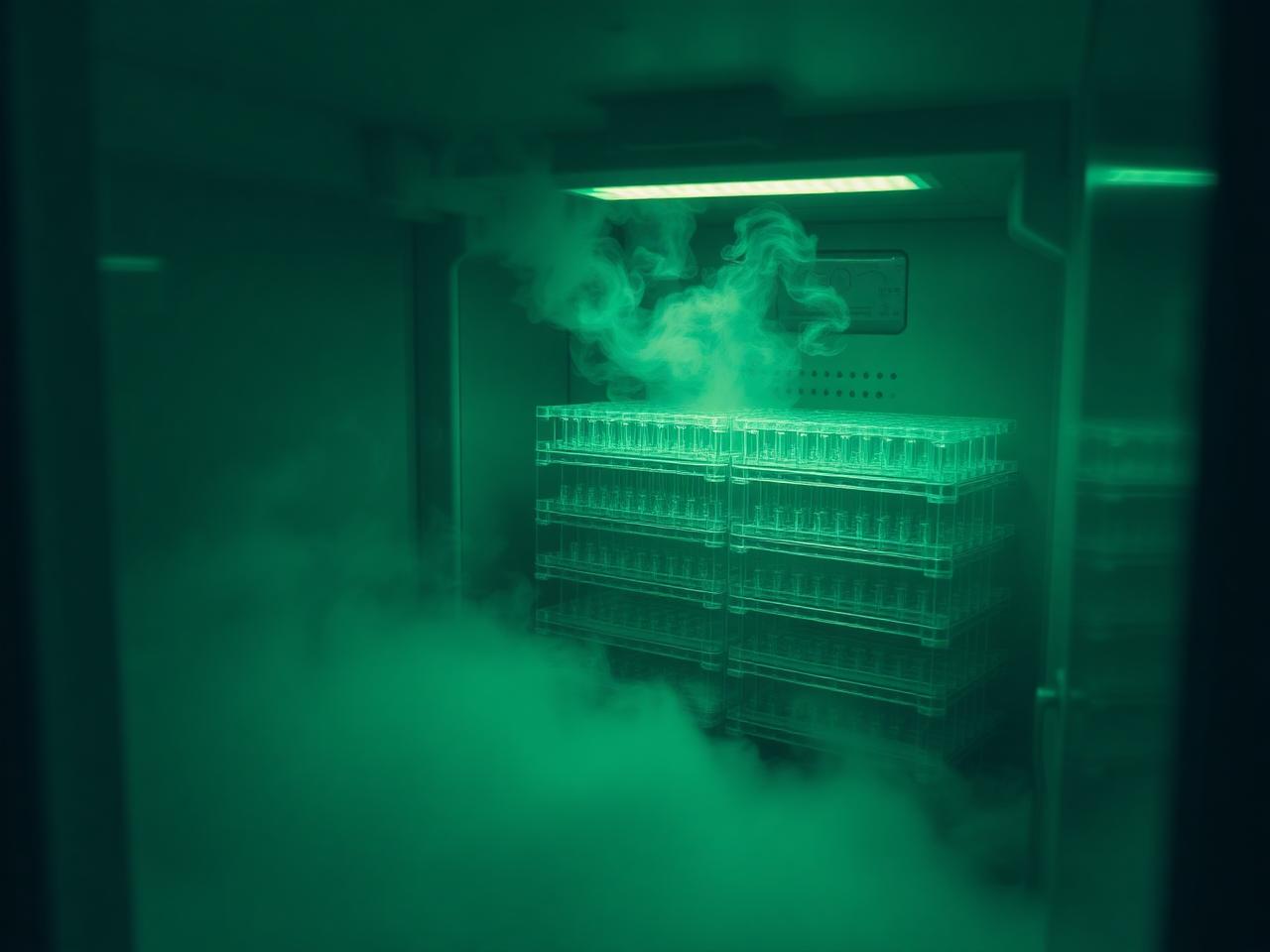
Controlled storage of research materials
Scorpion species

Species Programmes, Documented With Care

Each programme is presented in a consistent structure — taxonomy, distribution, habitat, general venom characteristics and research relevance — so that scientific teams can evaluate suitability at a glance.

Documentation notice

Verified information over invented detail

We publish species information only once it has been reviewed against accepted taxonomic and scientific literature. The profiles below are complete structural templates prepared for that verified content — nothing here is fabricated.

Detailed species information will be expanded as additional scientific documentation becomes available. If your study requires a specific species or region, contact our scientific team directly — we can confirm current programme availability and share the documentation we hold, subject to applicable legal and export requirements.

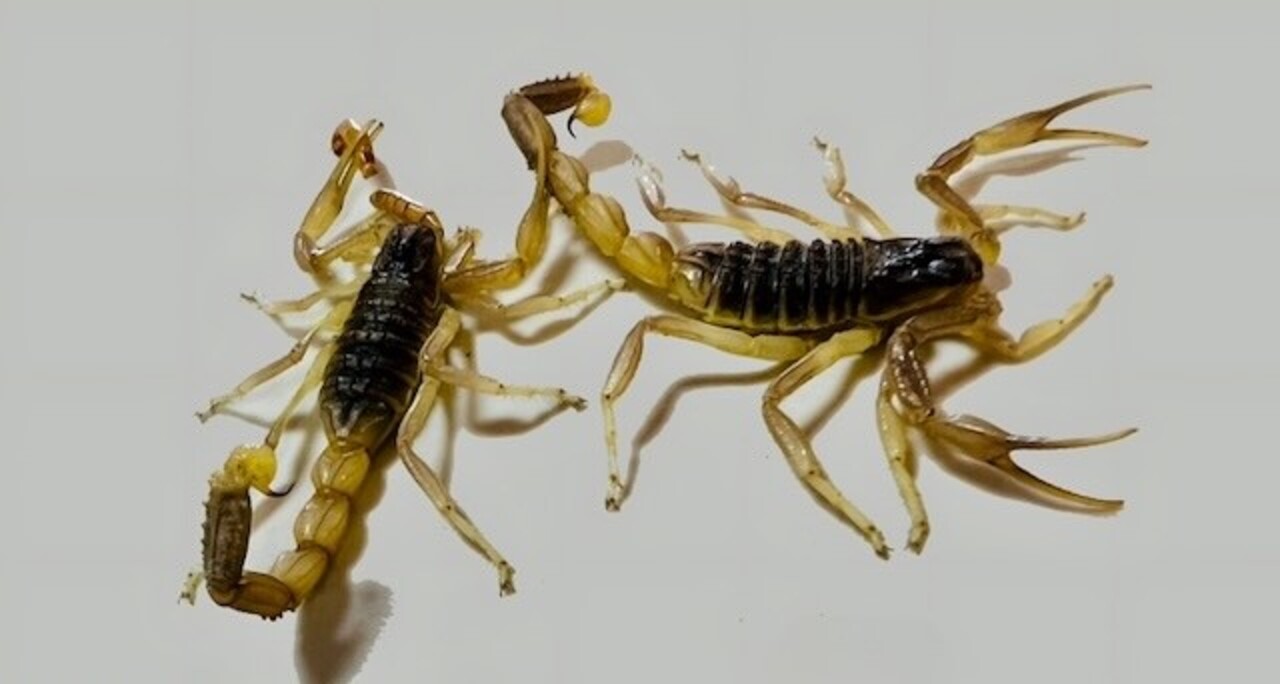
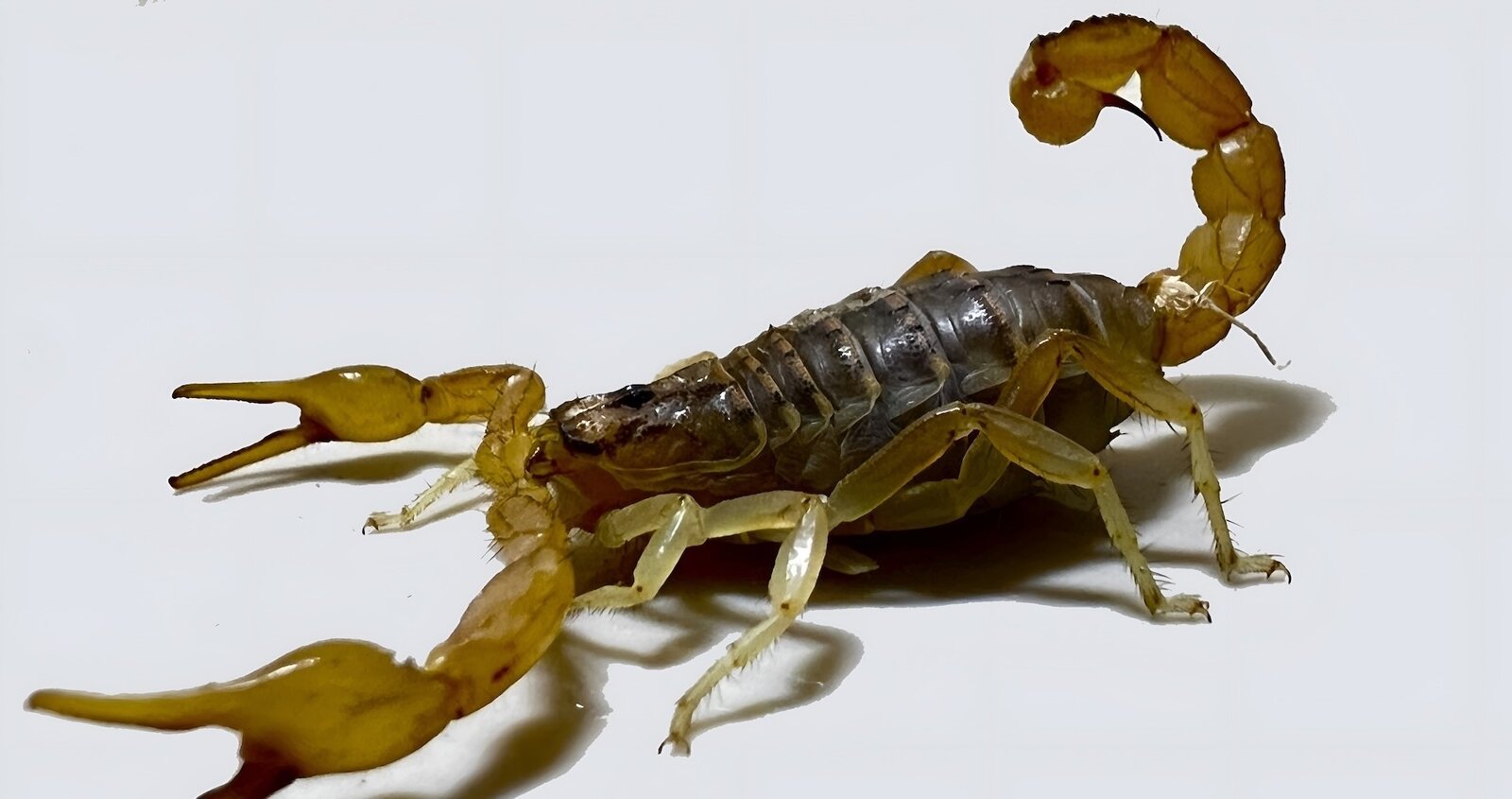
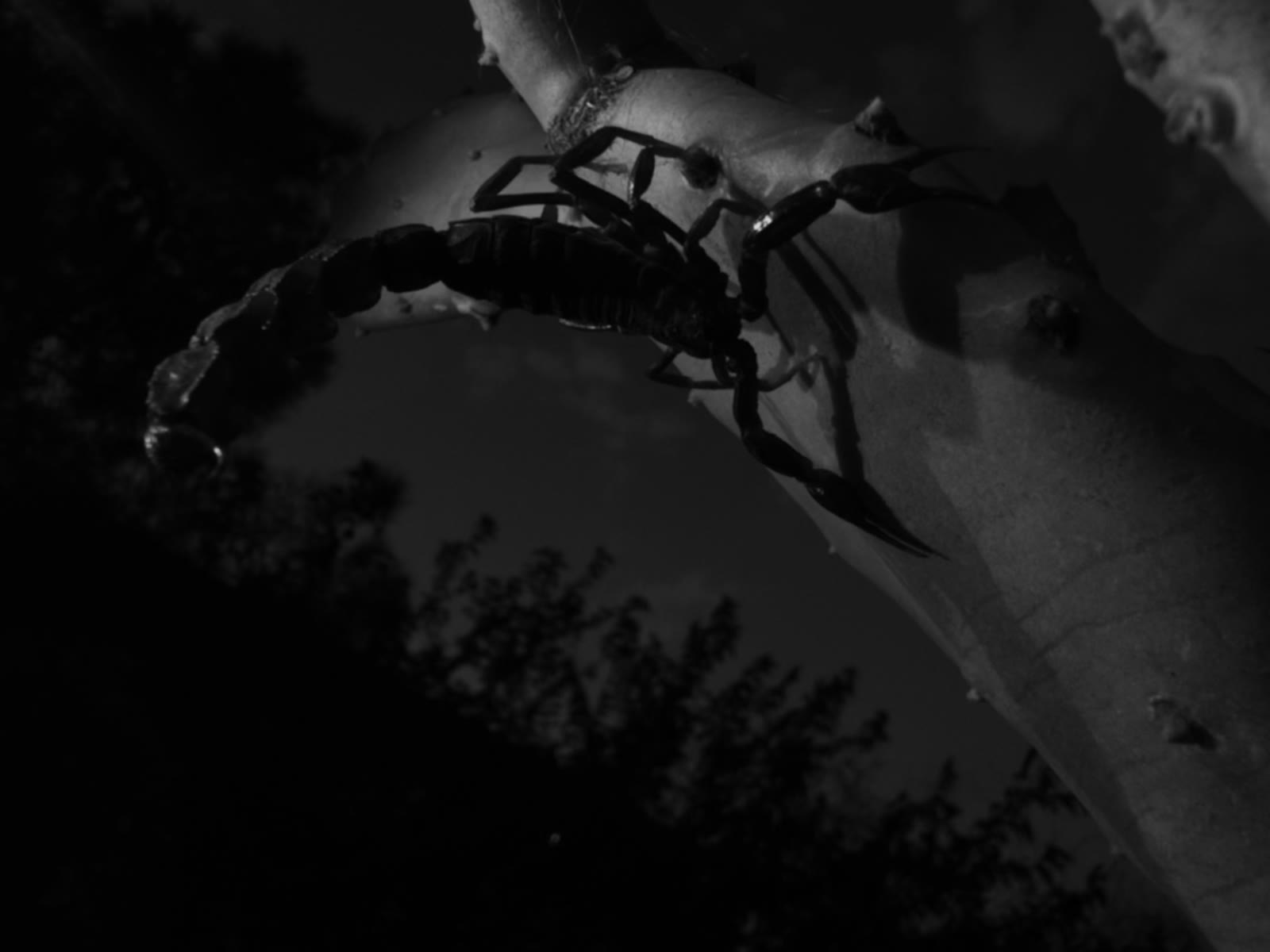
Scorpion photographed at night on a desert plant during a field observation
Verified profile

Androctonus crassicauda

Arabian fat-tailed scorpion / thick-tailed scorpion

Basic Information

Distribution
Bushehr, Semnan, Khuzestan, Ilam, West Azerbaijan, Kurdistan, Razavi Khorasan, South Khorasan, Kermanshah, Kerman, Sistan & Baluchestan (Iran).
Size
Up to ~10 cm total length.
Appearance
Dark brown to black; thick, robust tail segments.

Morphological Profile

Typical adult size
Body ~90 mm; metasoma ~50 mm; total length up to ~10 cm.
Coloration
Dark brown to black; overall uniform dark appearance.
Key morphology
Thick metasomal segments with pronounced serrated ventral keels; large pedipalps.
Distinguishing features
‘Thick-tailed’ build (broad tail); robust habitus.
Taxonomic note
~18 recognized subspecies; three reported from Iran.
Etymology
Androctonus is Greek for ‘man-killer’.

Behavior & Ecology

Activity
Nocturnal; hides by day in cracks and crevices.
Abilities
Can climb many non-smooth surfaces (not polished glass).
Diet
Invertebrates and small insects; occasionally small lizards or mammals.
Predation / defense
Uses terminal sting to subdue prey or defend; very defensive when disturbed.
Habitat
Deserts and dry/semi-dry regions with sandy, gravelly and rocky substrates.
Distribution in Iran
Broad — north to south (see provinces listed).

Venom Profile

Total protein
>83% (Kjeldahl).
SDS-PAGE
14.4–116 kDa.
HPLC
~71 peaks (distinct dominant fractions).
LD50 (mouse, IP)
~5 µg / 20 g (mouse, IP).
Mucus content
~10–15%.

Key Peptides & Applications

Rich repertoire of short- and long-chain neurotoxins modulating Na+/K+ channels. Potential leads for neuropharmacology and oncology; peptide scaffolds for targeted design.

Clinical Profile

Severely painful sting with local erythema and swelling. Neurological symptoms may appear and affect cardiac function. Severe cases may involve internal bleeding, respiratory difficulty, and visual disturbances. Medically important in Iran (among the most dangerous after H. lepturus).

Data compiled from verified taxonomic and venom literature for research evaluation. Contact our scientific team for batch availability, documentation and regulatory guidance.

Enquire About This Species
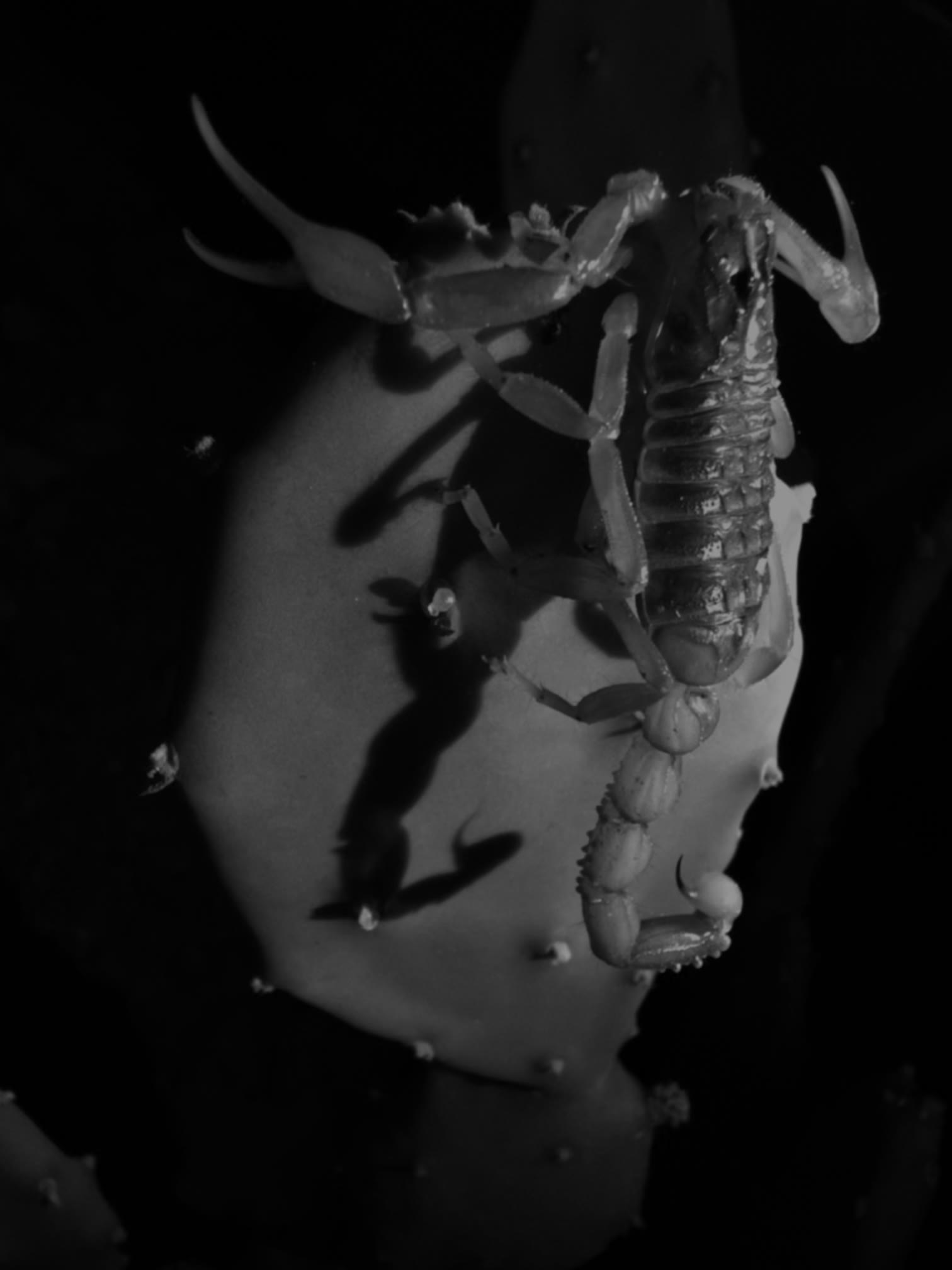
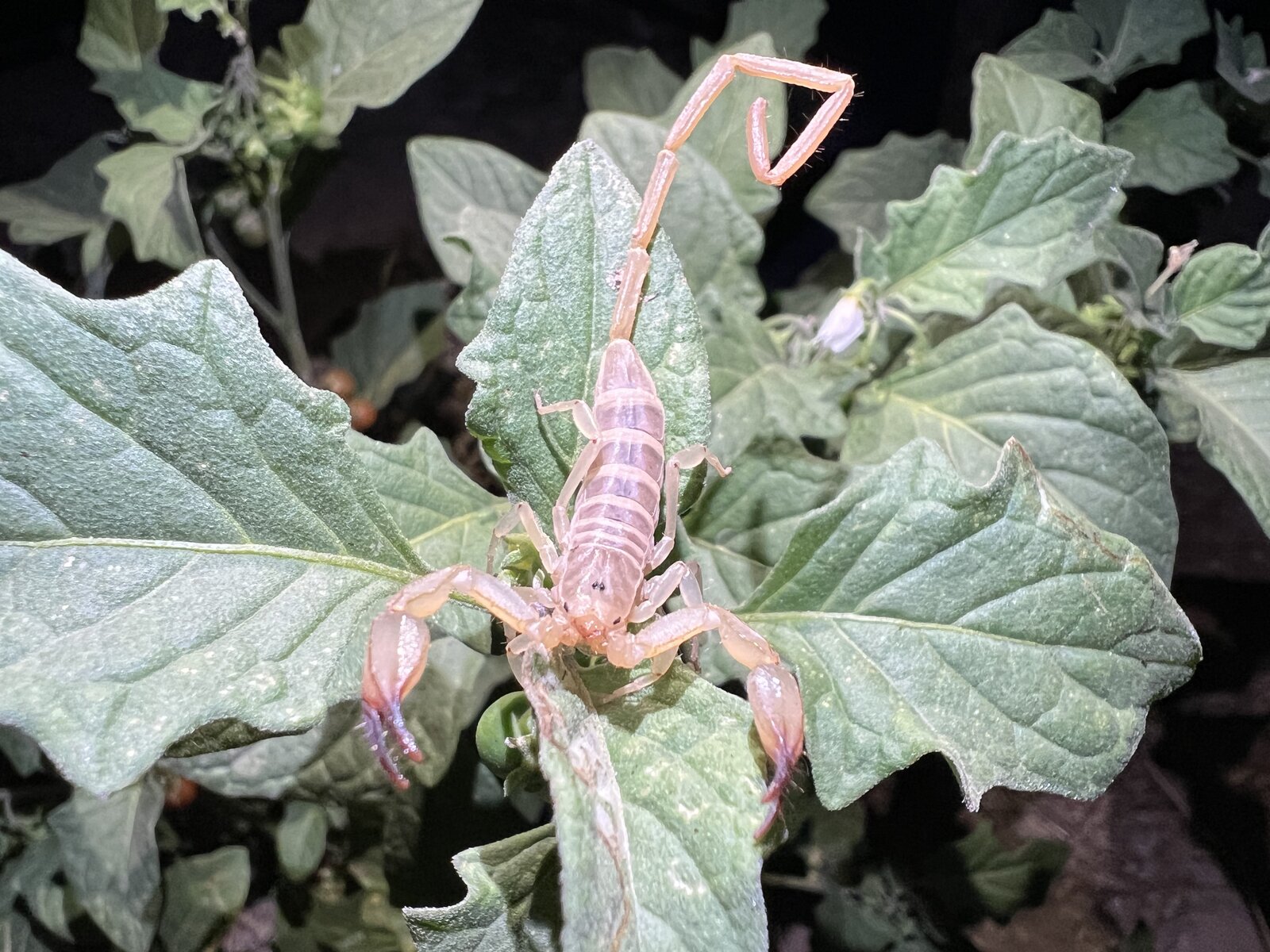
Scorpion documented in its natural desert habitat at night
Verified profile

Hottentotta saulcyi

Large size • Mountainous & rocky steppes • Nocturnal & defensive

Basic Information

Distribution
Reported in Iran, Syria, Iraq, Turkey, and Afghanistan. Broad distribution across Iranian provinces (see detailed list).
Size
~7.5–12 cm; occasionally up to ~13 cm.
Appearance
Dark yellow to light brown; darker prosoma and telson. Large chelae, metasomal keels, and body covered with setae (hair-like).

Morphological Profile

Typical adult size
~7.5–12 cm; occasionally up to ~13 cm.
Coloration
Dark yellow to light brown; darker prosoma/telson.
Key morphology
Large chelae; metasomal keels; body with setae (hair-like).
Distinguishing features
Large body size and hairy (setose) cuticle.
Taxonomic note
Pectinal teeth — ♂: 28–30, ♀: 24–29.
Etymology
Named after the French entomologist Victor Saulcy.

Behavior & Ecology

Activity
Predominantly nocturnal; notably defensive when disturbed.
Abilities
Agile climber on rough rock and vegetation.
Diet
Invertebrates and small insects typical of rocky steppe habitats.
Predation / defense
Uses strong chelae and terminal sting for prey capture and defense; quick to defensive posture when disturbed.
Habitat
Mountainous areas up to ~2000 m and rocky steppe.
Distribution in Iran
East/West Azerbaijan, Ardabil, Isfahan, Alborz, Ilam, Bushehr, Tehran, Chaharmahal-Bakhtiari, North Khorasan, Khuzestan, Zanjan, Fars, Qazvin, Kurdistan, Kerman, Kermanshah, Kohgiluyeh-Boyerahmad, Golestan, Lorestan, Hormozgan, Hamedan, Markazi.

Venom Profile

Total protein
>80% (Kjeldahl).
SDS-PAGE
14.4–116 kDa.
HPLC
Complex profile (multiple fractions).
LD50 (mouse, IP)
~20 µg / 20 g (mouse, IP).
Mucus content
~10–25%.
Neurotoxins
Repertoire of short- and long-chain Na+/K+ channel toxins.

Key Peptides & Applications

Diverse Na+/K+ channel-targeting peptides — valuable for neuropharmacology. Potential leads for peptide discovery and voltage-gated channel studies.

Clinical Profile

Medically important scorpion in Iran. Stings can cause marked local pain; neurotoxic symptoms possible. Prompt medical evaluation is advised following envenomation.

Research Highlights

Rich Na+/K+-channel toxin repertoire; suitable for neuropharmacology assays and peptide discovery.

Enquire About This Species
Hemiscorpius lepturus field photograph for species documentation
Verified profile

Hemiscorpius lepturus

Dermonecrotic effects • High medical relevance • Southwest Asia

Basic Information

Distribution
Southwest Asia, with broad distribution across Iran: Fars, Kohgiluyeh-Boyerahmad, Kerman, Hormozgan, Bushehr, Khuzestan, Isfahan, Semnan, Lorestan, Kermanshah, Hamedan, Ilam.
Size
Medium-sized (varies by locality and sex).
Appearance
Light brown to beige; generally pale. Slender metasoma typical of Hemiscorpiidae.

Morphological Profile

Typical adult size
Medium-sized (varies by locality/sex).
Coloration
Light brown to beige; generally pale.
Key morphology
Slender metasoma; morphology typical of Hemiscorpiidae.
Distinguishing features
Medically important species; dermonecrotic stings reported.
Taxonomic note
Member of the family Hemiscorpiidae.
Etymology
Hemiscorpius reflects the genus placement within Hemiscorpiidae; lepturus from Greek for ‘slender tail’.

Behavior & Ecology

Activity
Primarily nocturnal.
Abilities
Shelters in rock crevices and debris during daylight hours.
Diet
Small invertebrates typical of arid rocky habitats.
Predation / defense
Relies on cryptic coloration and shelter; sting used defensively when disturbed.
Habitat
Arid and semi-arid regions; commonly found among rocks and crevices.
Distribution in Iran
Fars, Kohgiluyeh-Boyerahmad, Kerman, Hormozgan, Bushehr, Khuzestan, Isfahan, Semnan, Lorestan, Kermanshah, Hamedan, Ilam.

Venom Profile

Total protein
>80% (Kjeldahl).
SDS-PAGE
14–116 kDa (multiple bands).
HPLC
Present (fractionation available).
LD50 (mouse, IP)
Not reported in supplied documentation.
Mucus content
Not reported in supplied documentation.
Cardio / neuro effects
Cardiotoxic and arrhythmogenic effects reported in animal studies.

Key Peptides & Applications

Hemicalcin — acts on ryanodine-sensitive Ca2+ channels. Hemotoxin — hemolytic activity. Hemilipin (sPLA2 dimer) — anti-angiogenesis in vitro and in vivo. PLD1, HL215, HL2153 — dermonecrotic/cytotoxic activities.

Clinical Profile

Dermonecrotic lesions at the sting site with tissue injury. Hemolytic potential; medically significant envenomation risk. Systemic manifestations may occur; prompt medical evaluation is advised.

Research Highlights

Anti-angiogenic potential (Hemilipin) for oncology; Ca2+ channel probes (Hemicalcin); dermonecrosis models supporting translational research.

Enquire About This Species
Odontobuthus doriae field photograph showing burrowing scorpion morphology
Verified profile

Odontobuthus doriae

Burrowing scorpion • Arid habitats • Iran and Iraq

Basic Information

Distribution
Iran: Kerman, Hormozgan, Kermanshah, West Azerbaijan, Isfahan, Markazi, Yazd, Semnan, Tehran. Also reported in Iraq.
Size
~7–8.5 cm; reported adults ~6–7.5 cm, occasionally >10 cm.
Appearance
Pale yellow to yellow-brown; generally uniform or lightly patterned. Robust metasoma with strong pedipalps tapering toward chela tips.

Morphological Profile

Typical adult size
~7–8.5 cm; reported adults ~6–7.5 cm, occasionally >10 cm.
Coloration
Pale yellow to yellow-brown; generally uniform/lightly patterned.
Key morphology
Robust metasoma; pronounced ventral dentation; strong pedipalps tapering toward chela tips.
Distinguishing features
Fossorial build adapted for digging; pale body with strong metasomal ventral keels.
Taxonomic note
Member of the family Buthidae; fossorial species with broad Iranian distribution.
Etymology
Odontobuthus refers to the toothed (odont-) pedipalp characters; doriae honours the Italian naturalist Giacomo Doria.

Behavior & Ecology

Activity
Primarily nocturnal; also active at dusk and dawn.
Lifestyle
Strongly fossorial; burrows may reach ~70 cm depth.
Habitat
Deserts, calcareous steppes, rocky/arid regions with poor to moderate vegetation.
Distribution
Iran (see provinces above); also reported from Iraq.
Behavioral notes
Readily adopts defensive posture; elevates metasoma when disturbed.

Venom Profile

Total protein
>70% (Kjeldahl).
SDS-PAGE
Bands ~14.4–116 kDa.
HPLC
Multi-peak complex profile.
LD50 (mouse, IP)
~20 µg / 20 g (mouse, IP).
Mucus content
~10–25%.

Key Peptides & Applications

  • OD1 (65 aa) — Nav1.7 sodium channels; relevance to neuropathic pain and oncology.
  • ODK1 (α-KTx 8.5, 29 aa) — modulates Kv1.2 at nanomolar range.
  • ODK2 (38 aa) — selective effect on Kv1.3; relevance to autoimmune indications.

Clinical Profile

  • Painful local sting with swelling and erythema.
  • Severity often comparable to a bee sting.
  • No confirmed systemic neurotoxic effects reported to date.
  • No fatalities attributed to O. doriae stings documented.

Research Highlights

Ion-channel pharmacology tool with potential in pain modulation and oncology. Ongoing studies focus on selectivity, mechanism, and delivery strategies.

Enquire About This Species
Mesobuthus eupeus specimen photograph for species documentation
Verified profile

Mesobuthus eupeus

Polymorphic • Wide distribution • AMPs, Kv blockers & chlorotoxin-like peptides

Basic Information

Distribution
East Turkey, Armenia, Azerbaijan, Georgia, S Russia, N Syria, E Iraq, Iran, Afghanistan, Pakistan, Turkmenistan, Uzbekistan, Kyrgyzstan, Tajikistan, Kazakhstan, Australia, S Mongolia & N China.
Size
~4–5 cm (1.6–2.0″).
Appearance
Yellow to yellow-brown; dorsal mesosoma often with irregular dark bands. Females generally larger; slender legs.

Morphological Profile

Typical adult size
~4–5 cm (1.6–2.0″).
Coloration
Yellow to yellow-brown; dorsal mesosoma often with irregular dark bands.
Key morphology
Thick metasomal segments with eight keels (octocarinate); subglobular telson; chelae wider than pedipalp patella.
Distinguishing features
Pectinal teeth — ♀ ~16–23 vs ♂ ~22–28; up to ~10 oblique granule rows on fixed finger and ~11 on movable finger.
Taxonomic note
Recognised as a polymorphic, widely distributed buthid with considerable geographic variation.
Etymology
Mesobuthus refers to intermediate (meso-) size within Buthidae; eupeus from Greek for ‘well-footed’.

Behavior & Ecology

Activity
Nocturnal.
Refuge
Not a true burrower; uses crevices and spaces under stones or objects.
Diet
Small insects such as crickets and small beetles.
Habitats
Arid to semi-arid areas with sparse vegetation.
Global range
East Turkey, Armenia, Azerbaijan, Georgia, S Russia, N Syria, E Iraq, Iran, Afghanistan, Pakistan, Turkmenistan, Uzbekistan, Kyrgyzstan, Tajikistan, Kazakhstan, Australia, S Mongolia & N China.
Iran (provinces)
Khuzestan (Shush, Mahshahr, Abadan), Hormozgan (Bandar Abbas), Golestan (Gorgan), Tehran (Varamin, Barghan Mts), Kurdistan (Saqqez, Marivan, Baneh), Kermanshah (Sarpol-e Zahab, Qasr-e Shirin, Paveh), Ilam (Dehloran, Eyvan, Mehran), West Azerbaijan (Chaldoran, Piranshahr, Sardasht, Salmas, Maku, Khoy, Oshnavieh, Urmia), Khorasan (Quchan, Dargaz, Sarakhs, Nehbandan, Birjand, Qaen, Khaf, Taybad, Torbat-e Jam).

Venom Profile

Overall potency
Generally lower than the most dangerous buthid species.
Total protein
>80% (Kjeldahl; reports ~91.7%).
SDS-PAGE
14–116 kDa.
HPLC
~81 peaks (several dominant fractions).
LD50 (mouse, IP)
~30 µg / 20 g (mouse, IP).
Mucus content
~10–25%.

Key Peptides & Applications

  • MeuKTX — potent inhibition of rKv1.1, rKv1.2, hKv1.3; little/no effect on rKv1.4, rKv1.5, hKv3.1, rKv4.3, hERG at high concentrations.
  • BeKm-1 — selectively inhibits hERG (cardiac K+ channel).
  • Na+ channel inhibitors — sodium channel–targeting peptides reported.
  • Meucin-13 & Meucin-18 — broad cytolytic antimicrobial activity.
  • Meucin-24 & Meucin-25 — selectively kill Plasmodium falciparum and inhibit P. berghei growth.
  • MeuClTx family — chlorotoxin-like peptides; potential for glioma targeting / BBB interaction.
  • MeVAMP / MeVAMP-9 — antimicrobial, non-disulfide-bridged peptides.

Clinical Profile

  • Severe local pain, bleeding, swelling, and burning at the sting site.
  • Occasional numbness and itching reported.
  • Overall envenomation typically less severe than highly dangerous buthids.

Research Highlights

Anti-malarial prospects (Meucin-24/25); broad AMPs (Meucin-13/18); K+/Na+ channel pharmacology (MeuKTX, BeKm-1) for drug design and delivery scaffolds. Reports also suggest anti-inflammatory/anti-arthritis effects in a mouse model (mechanism under investigation).

Enquire About This Species
Species enquiries

Looking for a specific species or regional population?

Our scientific team can confirm which programmes are currently active, what documentation exists, and whether supply to your jurisdiction is legally permitted before any commitment is made.