
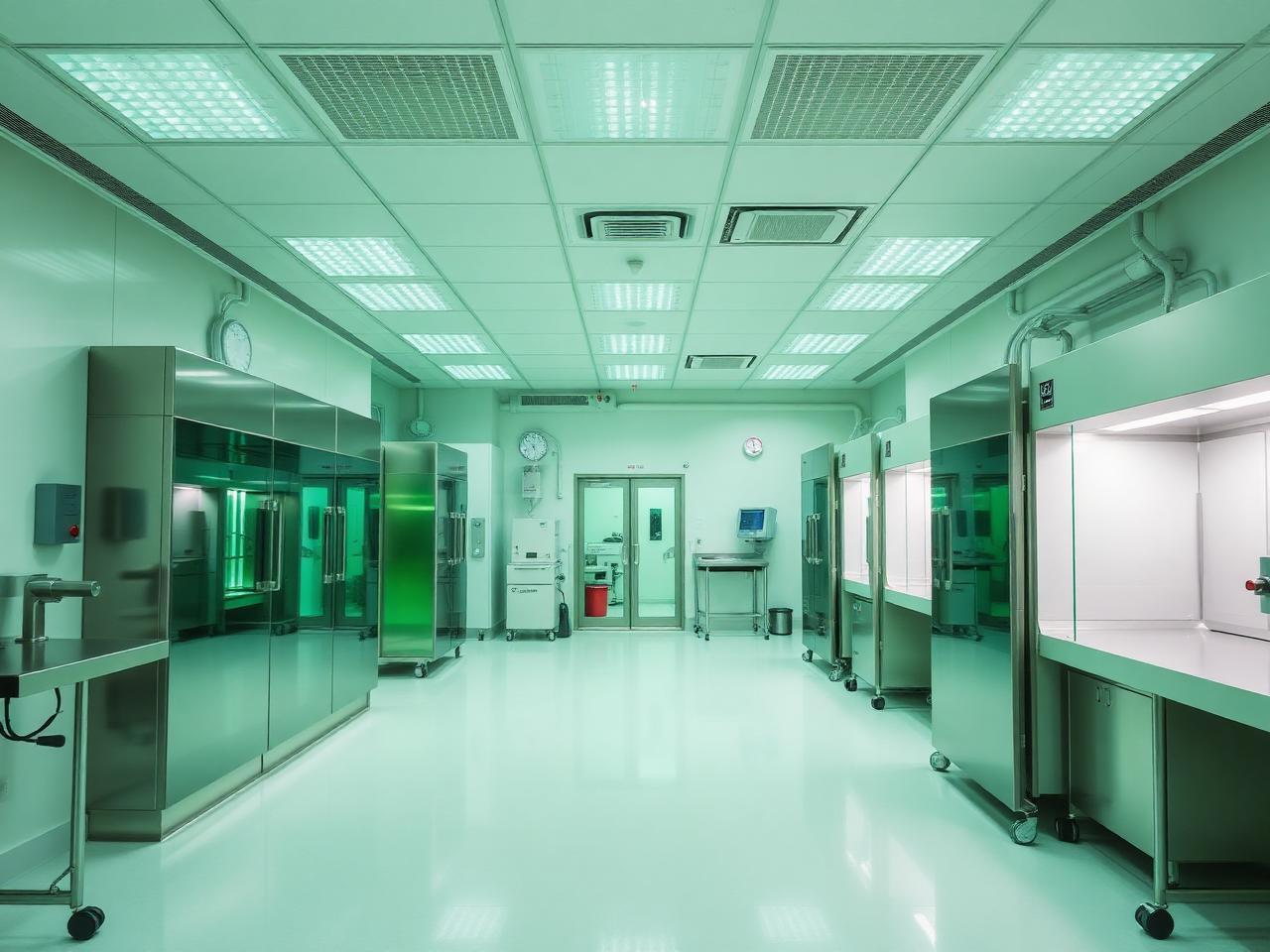
Infrastructure Designed Around Consistency
From environmentally controlled breeding rooms to secure cold storage and logistics, each part of our operation exists to protect the integrity of the material we supply.
Controlled Breeding Areas
Our breeding areas are engineered environments rather than storage rooms. Temperature, relative humidity, ventilation rate and photoperiod are set to species-appropriate ranges and monitored on a defined schedule, with deviations recorded and addressed.
Colonies are housed in individually managed enclosures with substrate, shelter and feeding regimes designed to support natural behaviour. Population density is deliberately conservative, giving animals space and reducing the stress responses that compromise both welfare and material consistency.
- Species-appropriate climate and photoperiod control
- Scheduled monitoring with recorded environmental data
- Conservative population density and enclosure hygiene
Laboratory Operations
Laboratory work is organised into defined zones for collection, preparation, drying, inspection and packaging, minimising cross-handling and making each stage easy to supervise. Instruments are maintained and calibrated according to a documented plan.
Every process is described in a written procedure, and technicians are trained and reassessed against those procedures. Work performed is captured in laboratory records that connect the activity to the specific batch, personnel and date.
- Zoned workflow from collection through to packaging
- Written standard operating procedures for each stage
- Trained, assessed technical personnel
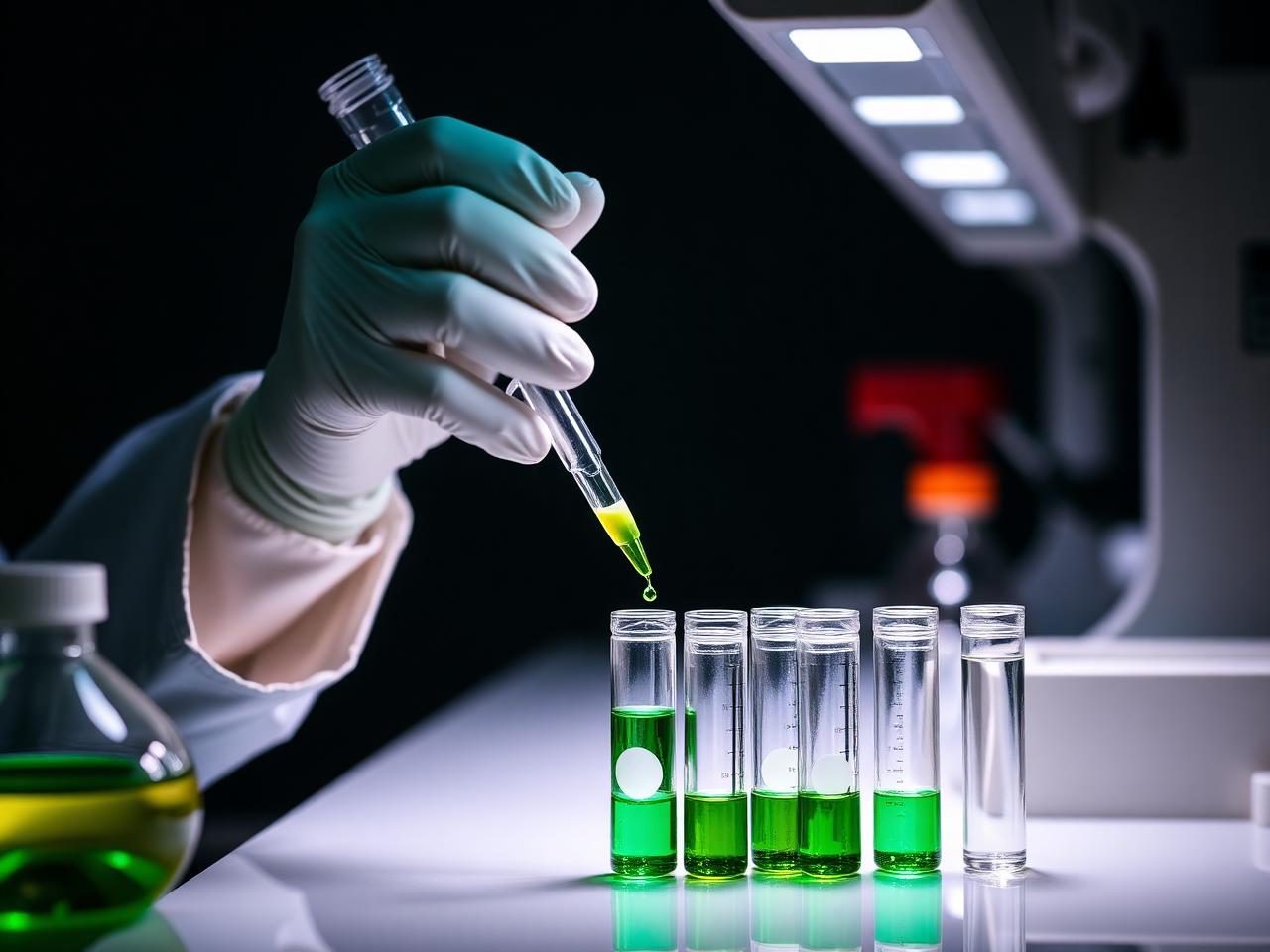
Quality Control Laboratory
A dedicated quality control function reviews each batch against defined internal criteria before release. Checks focus on handling conformity, physical characteristics, documentation completeness and consistency with previous batches from the same programme.
Findings are recorded in the batch file. Where a batch does not meet internal expectations it is held for investigation rather than released, and the outcome feeds into our process-improvement cycle.
- Batch review against defined internal criteria
- Documentation completeness verified before release
- Hold-and-investigate policy for non-conforming batches

Cold Storage
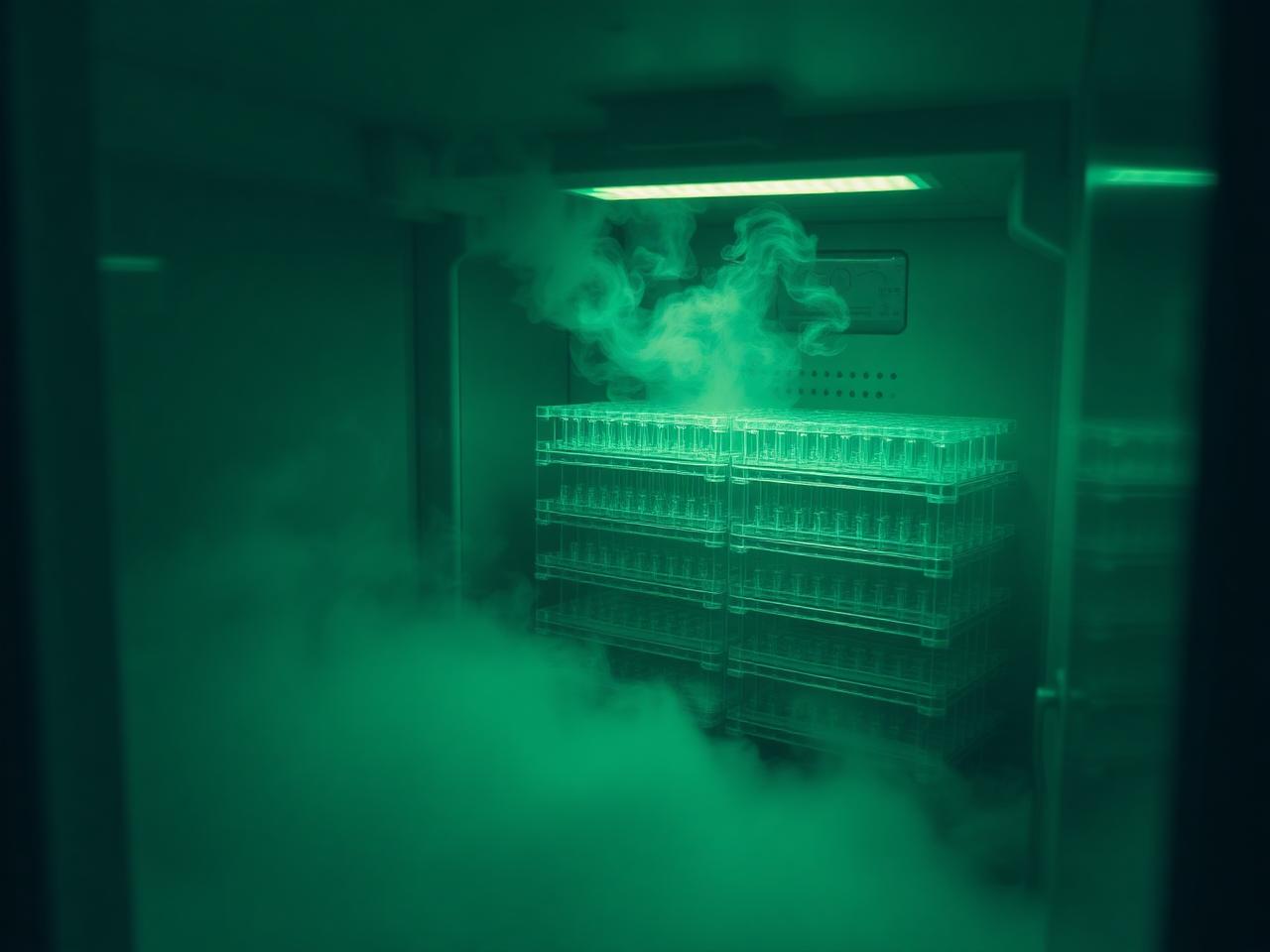
Research materials are held in secure, temperature-controlled storage appropriate to their form and intended use. Storage units are monitored, access is restricted to authorised personnel, and inventory is tracked by batch identifier.
Storage conditions are recorded so that the thermal history of a batch can be discussed with a receiving laboratory — an important consideration for groups working with sensitive peptide fractions.
- Monitored, access-controlled storage units
- Batch-level inventory tracking
- Recorded storage history available to partners
Packaging & Logistics
Packaging is selected for the material, the transit duration and the destination climate, using protective primary containers, secondary containment and appropriate thermal management where required.
Consignments are prepared with the documentation each destination expects and dispatched only to qualified organisations where shipment is legally permitted. Our logistics team communicates timing, tracking and receipt expectations directly with the recipient laboratory.
- Material- and route-appropriate protective packaging
- Documentation prepared for each destination
- Direct communication with the receiving laboratory

Inside a research-focused production environment
The images below are representative biotechnology photography. Dedicated placeholders are reserved for authentic ScorpIranUSA photographs, which will be published as our documentation programme progresses.
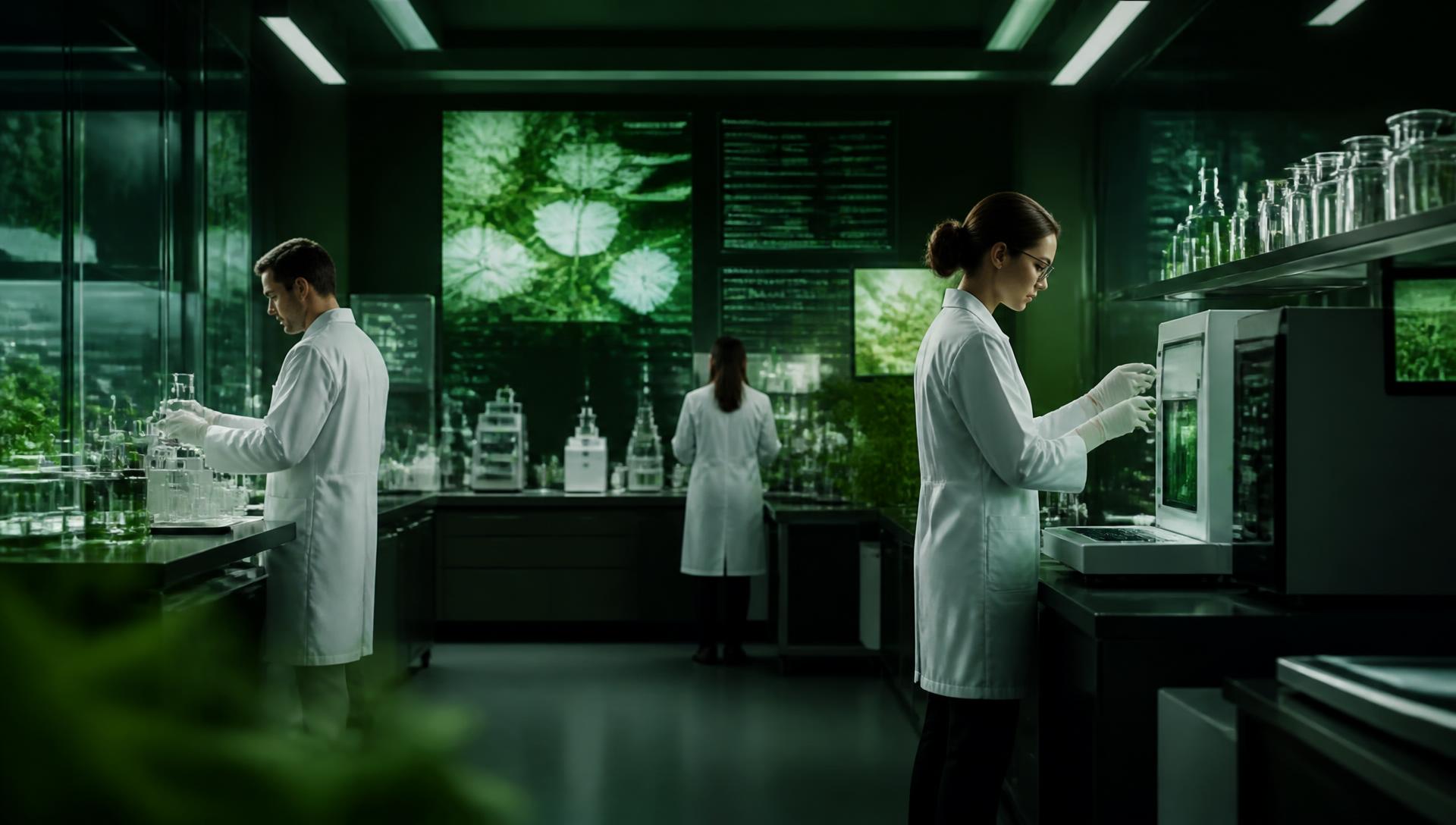 Biotechnology laboratory with scientists at workClean room facility with controlled environment chambersScientist pipetting samples into vialsCryogenic cold storage with vial racksResearchers reviewing analytical dataLaboratory glassware and molecular models
Planning a multi-batch or multi-site study?
Tell us about your timeline, storage capability and documentation requirements, and we will outline a supply approach that fits your programme.